Actualités · 22 July 2026
This little detail in pétanque that immediately reveals your level
This little detail in pétanque which immediately reveals your level: the quality of preparation before the boule, between gaze, tempo and intention.1.The detail that speaks before the ball
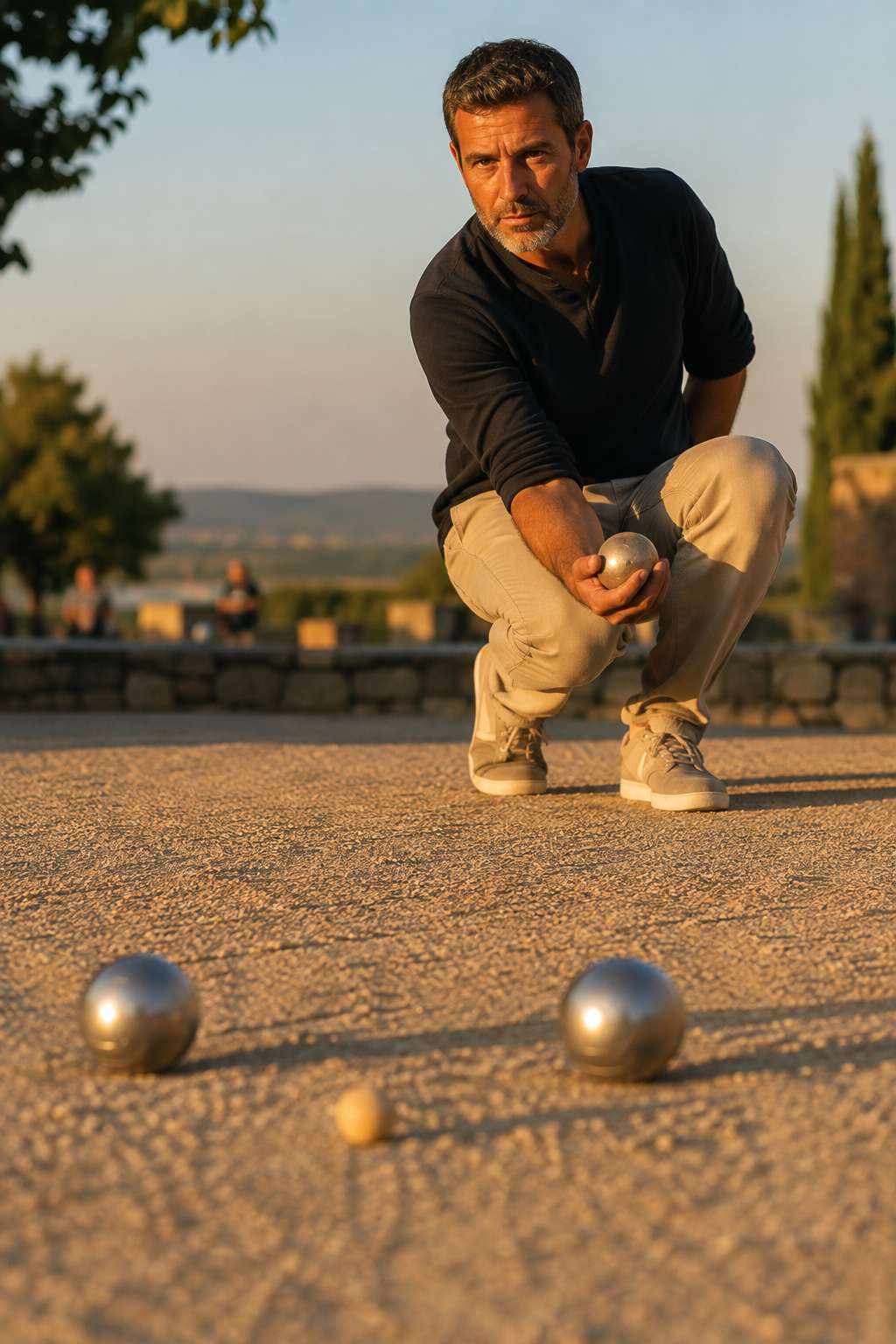
The most telling little detail isn't the arm power. It’s the quality of setting up just before playing. A good player knows what he is looking for, looks at the right area, breathes without excessive agitation and moves without extraneous noise.
This consistency gives an impression of level even when the ball is not perfect. Conversely, a successful move launched out of order provides much less reassurance about the outcome.
The real level is often read before the hand exit, in the way of entering the shot.
2.The gaze directs everything
The look of a strong player is not decorative. It collects specific information, then sets with intention. We feel that he saw something useful and that he is not playing at random.
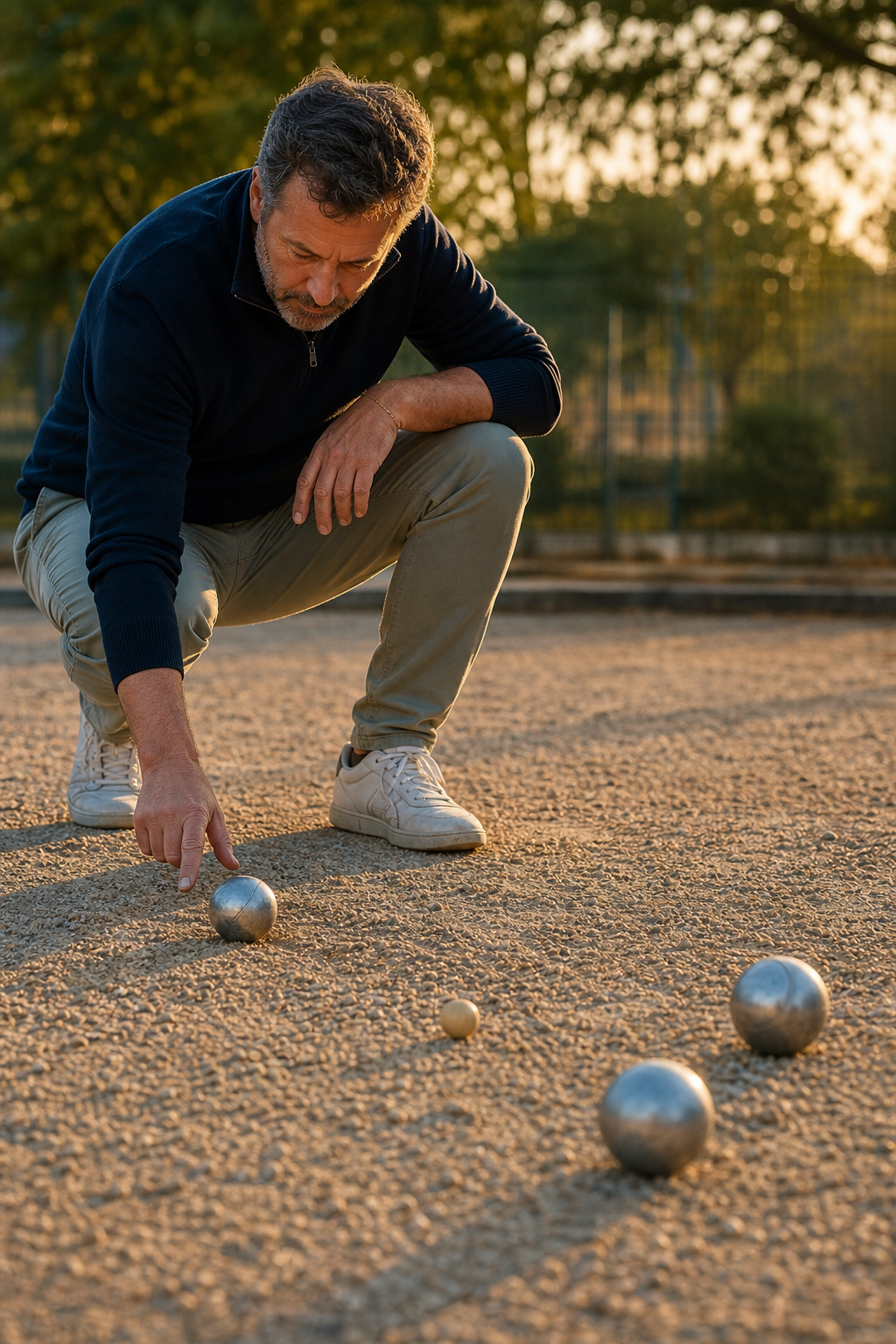
This look already builds the quality of the shot. Many mid-levels fail even before the move because they didn't really look at the right thing.
3.The tempo quickly separates the players
The level is also read in the tempo. Too quickly, the player seems to be carried away by the lead. Too slow, he seems prisoner of his doubts. The right level is often recognized by a compact start-up: enough time to see, not enough to dissolve.
This specific tempo gives the shot a repeating structure.
Set yourself a minimum preparation that is always the same: a point of view, a breath, a clear intention. This base already greatly changes the readability of the game.
4.The visible signs of real preparation
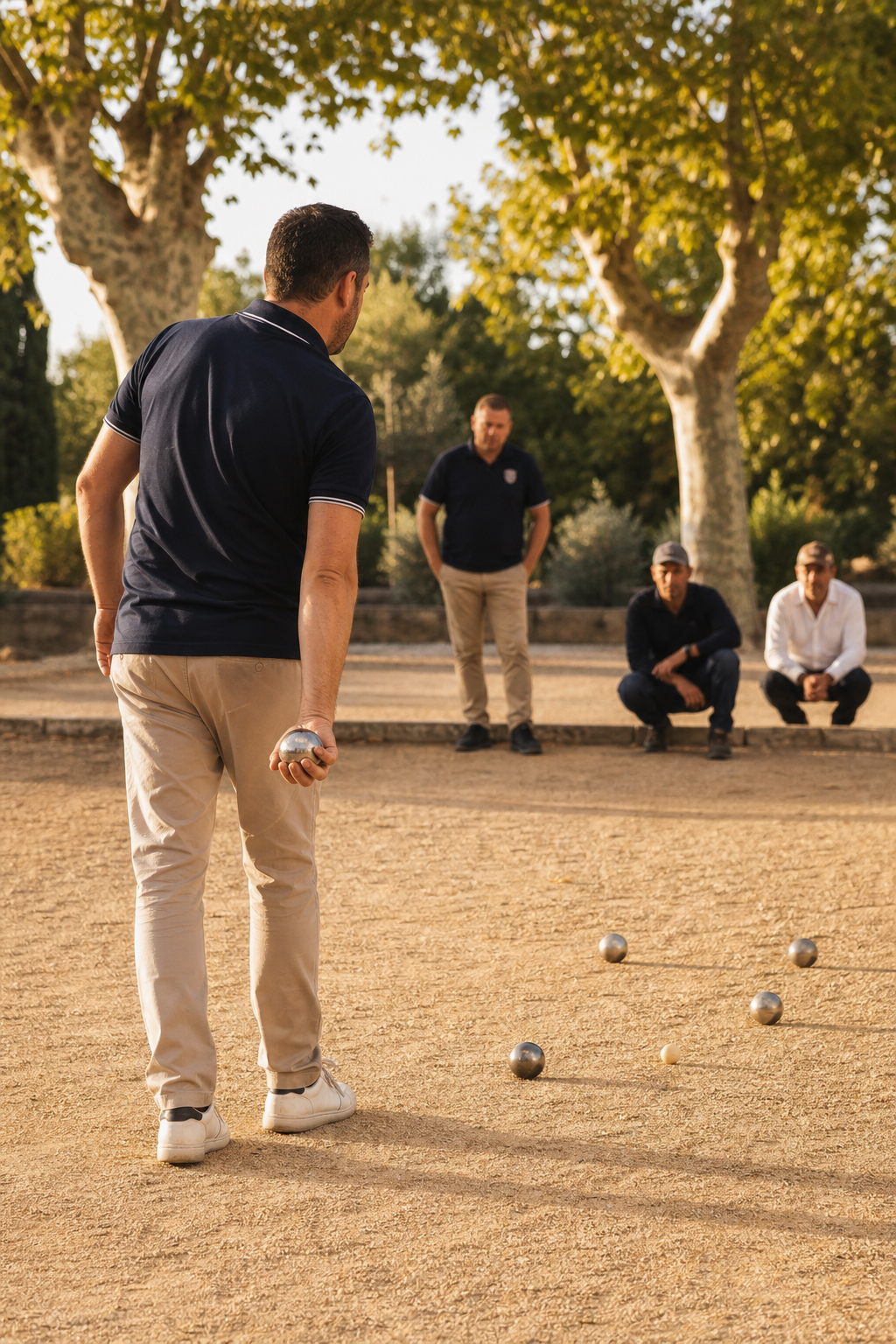
We see them easily: few extraneous gestures, a stable routine, a readable posture, a clear intention and a hand output consistent with what had been looked at. Even without knowing the score, we often recognize a settled player.
This detail is valuable because it is more robust than the result of a single ball. It reveals a system, not a coincidence.
| Point observed | Just reflex | Common mistake |
|---|---|---|
| Gaze | Seeks precise information | Scans without hierarchy |
| Time | Compact | Too fast or too long |
| Routine | Stable | Variable depending on the emotion |
| Intent | Clear | Blurry or contradictory |
5.How to improve this detail at home
Film a few throws or ask a partner to observe just one thing: your preparation. Check if your gaze is in the right place, if your tempo varies too much and if your routine remains readable under pressure.
By correcting this small detail, you often improve everything else: decision, gesture, confidence and credibility on the ground.
Useful support to improve routine, look and set-up before throwing to make your game cleaner and more consistent.
Discover the book