Actualités · 27 July 2026
The secret of the calmest petanque players
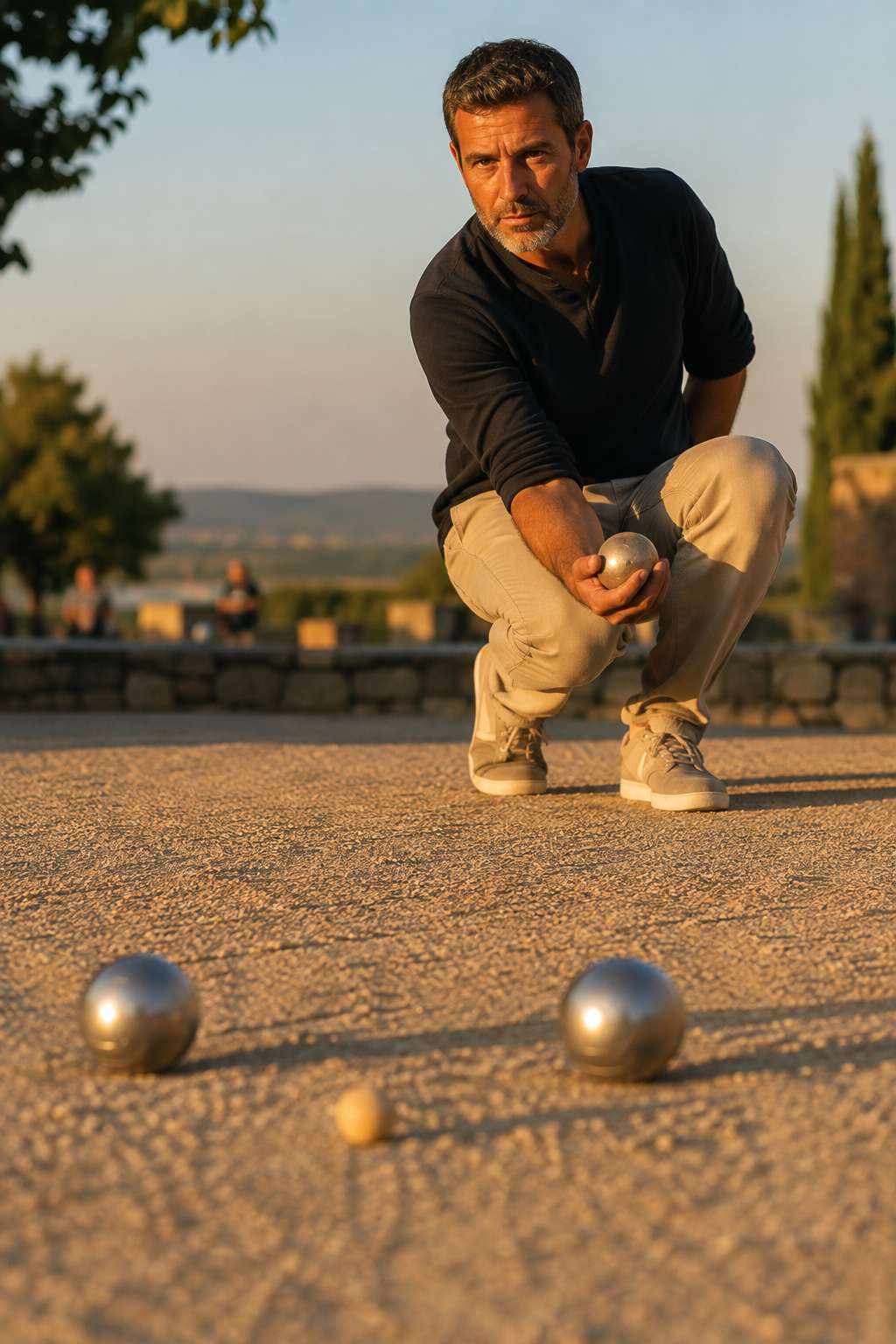
Restez lucide sous pression à la pétanque : repères, routine et conseils d’équipe pour transformer le calme en décision utile.Calm impresses in pétanque because it changes everything: the quality of the gesture, the reading of the game, the relationship with the partner and the pressure exerted on the opponent. However, the calmest players are not necessarily the least emotional. Above all, they learned not to let emotion take over. They slow down, prioritize, breathe and always return to the present ball. There is nothing esoteric about this secret: it requires training.
1.1. Calm is not the absence of emotion
The calm player does not feel less than the others. He feels differently, or rather he processes what he feels differently. A lost point, a remark, a capricious terrain also causes frustration. The difference is that it avoids transforming this frustration into parasitic movement or destructive inner speech.
In pétanque, effective calm is therefore a filter. It lets useful information through and blocks the rest. The score, the field, the position of the balls: yes. Fear of failing, shame, the way others look: no. This mental selection is sometimes worth more than a real technical gain.
Choose one anchor: a slow exhale, then a look at the target. This routine protects your decision before every boule.
2.2. What makes players explode
Nervous profiles often react to three triggers: personal error, the impression of injustice and the fear of losing the team. As soon as one of these triggers appears, their attention leaves the lead and focuses on themselves. The body stiffens, the tempo accelerates, the choice of move shortens.
The problem is not just emotional. It becomes tactical. An annoyed player stops reading the game, shoots too quickly, points without a plan, or starts commenting instead of preparing for what's next. Calm is therefore not a decorative quality; it is an operational skill.
3.3. The stable profile routine
Calm players almost always have a visible routine. They replace their feet in the same way, take an identifiable breath, look at the target one last time then start moving without unnecessary debate. This sequence stabilizes the body and reduces mental noise.
Routine also calms because it restores a feeling of control. When the environment becomes blurry, returning to a simple protocol stops the mind from racing in all directions. This is why the most calm players seem to “recover” so quickly after a missed ball.
4.4. Why calm is transmitted to the team
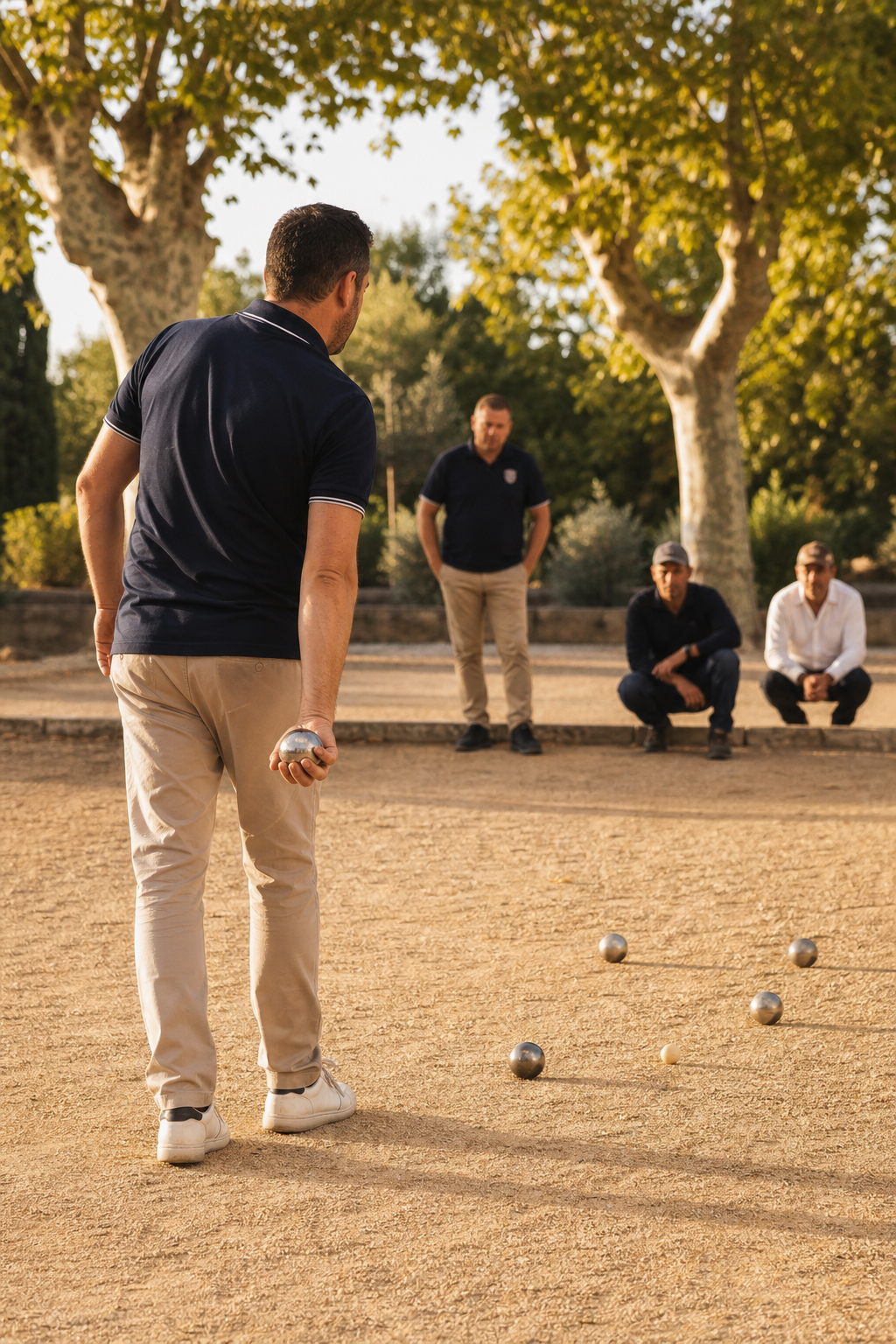
In doublet or triplet pétanque, the emotional state circulates. A calm player slows down the outbursts, reformulates the situation and makes decisions more understandable. Conversely, a nervous partner contaminates the collective through his gestures, his tone and his micro-reactions.
The visible calm also gives a clear message to the adversary: nothing is offered. Even after two lost ends, the calm team suggests that they remain fully in their game. This impression weighs heavily in the endgames.
Choose one anchor: a slow exhale, then a look at the target. This routine protects your decision before every boule. Explore ways to improve.
5.5. What the adversary sees
An opponent immediately perceives if you are centrifugal by the score. He sees the sighs, the impatience, the decisions taken too soon and the discussions that drag on. Calm then acts as a camouflage: you keep your emotions, but you do not offer them.
This is also why calm becomes a strategic weapon. By not giving any sign of panic, you deprive the other side of a precious psychological reference point.
6.6. How to really work it
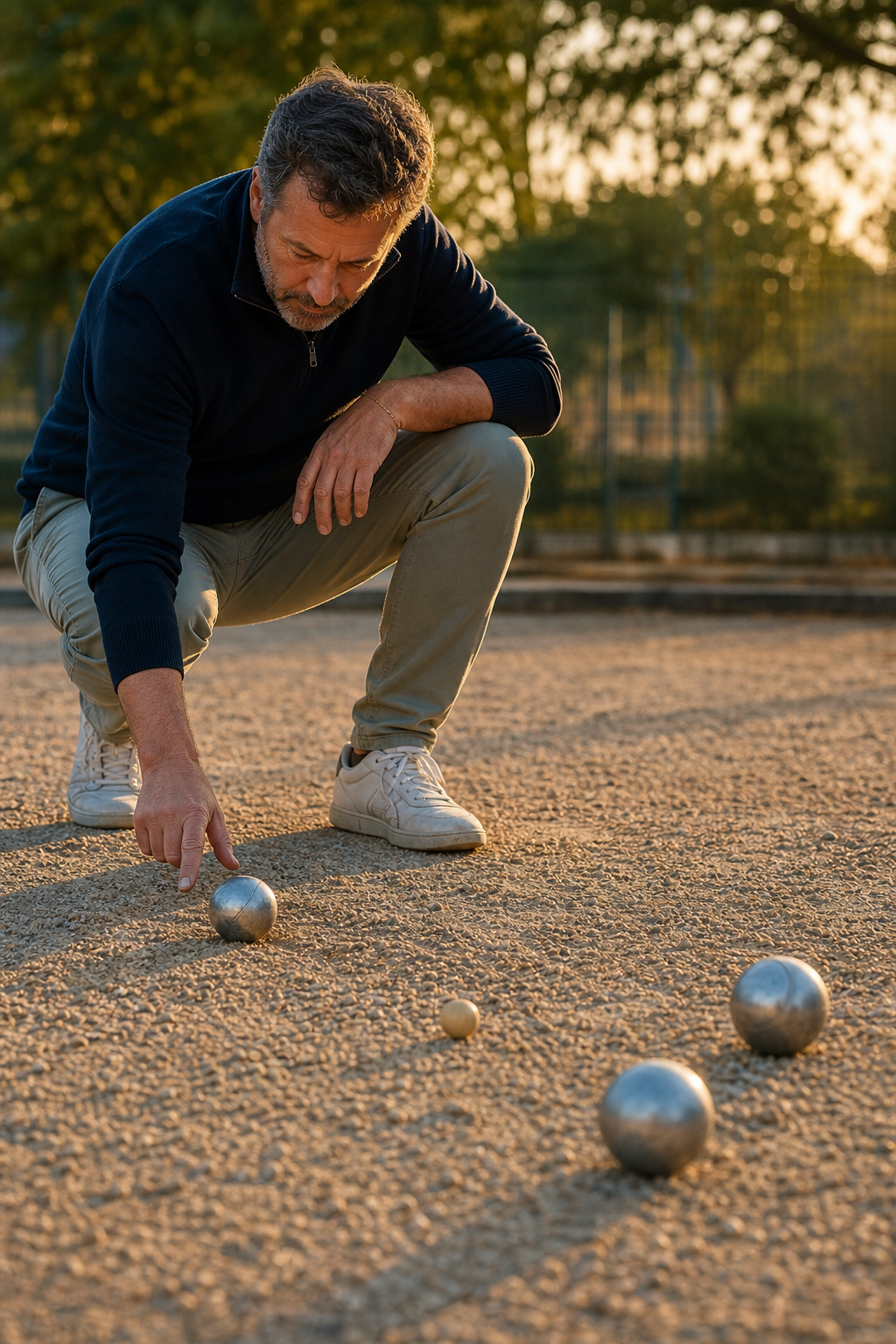
Calm is best worked outside of large parties. In training, impose fixed routines, breathing times, and a simple prohibition: zero comments on the missed ball for ten seconds. This delay is often enough to make the storm subside.
After the session, note just two things: when you lost your calm, and what gesture or phrase brought you back. With this method, calm ceases to be a vague character trait; it becomes an identifiable and repeatable skill.
| Critical moment | Agitated reaction | Calm reaction |
|---|---|---|
| After a missed boule | Apologize or justify yourself | Return to the next ball |
| At 11 everywhere | Speed up the tempo | Slow down and clarify the shot |
| After an adverse remark | Reply immediately | Let it pass then play again |
| Partner in difficulty | Show concern | Give a simple framework |
7.7. Frequently asked questions
Is calm especially useful to shooters?
No. Pointers, midfielders and captains benefit from it as much, because it structures decision-making and communication.
Can you be calm and intense at the same time?
Yes. Calm prevents neither energy nor ambition. It only avoids emotional dispersion.
Why do some calm players appear more dangerous?
Because they give few clues, keep their routine and remain readable to their partners.
Does a calm team always win?
No, but it scuttles less and makes better use of important channels.
What is the first simple exercise?
Work on stable breathing and prohibit immediate reactions for a few seconds after the error.