Actualités · 1 August 2026
Peur de gagner à la pétanque : retrouver son jeu
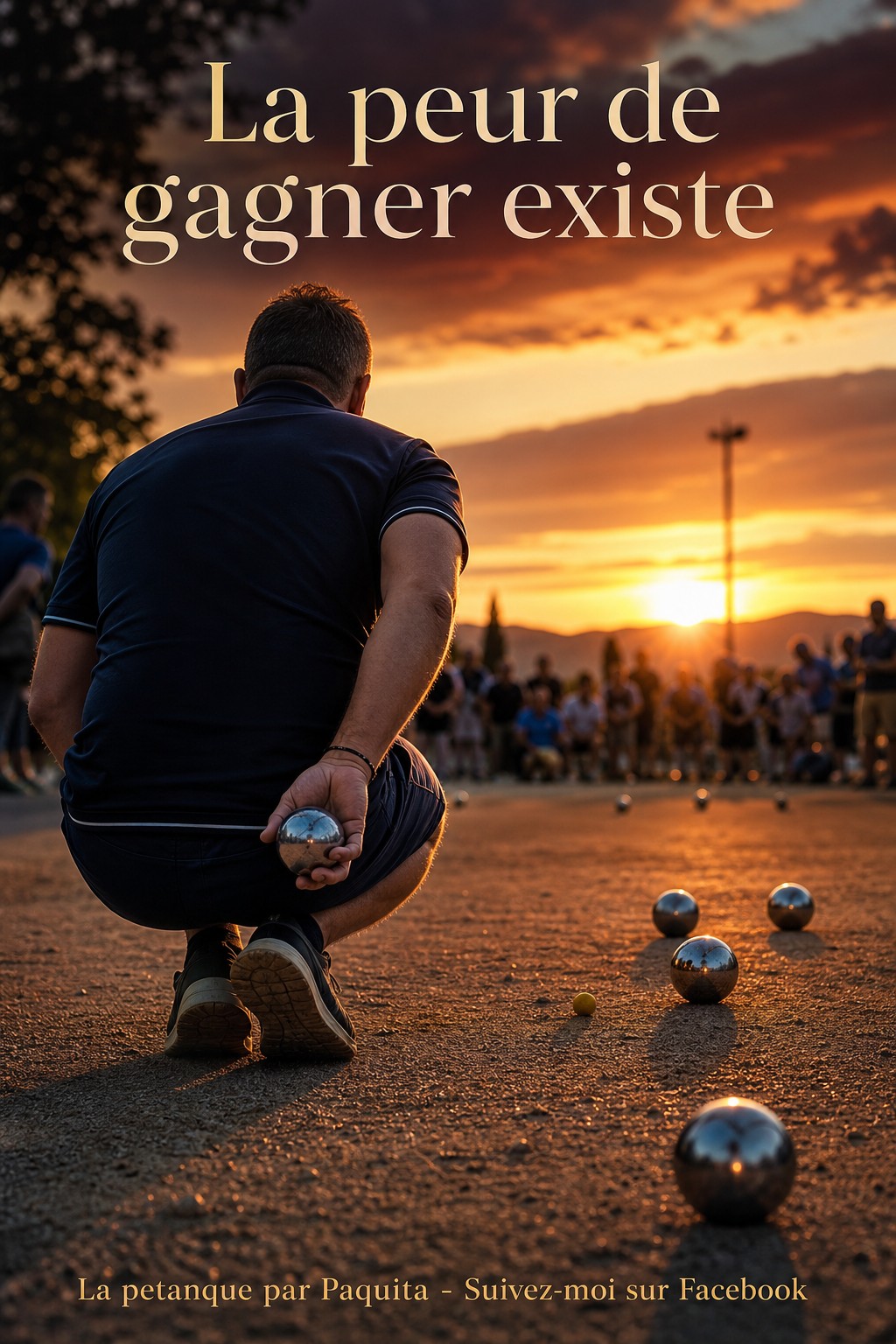
La peur de gagner à la pétanque se travaille : repères, routine et exercices pour rester utile quand le score approche.1.Why the fear of concluding changes a life
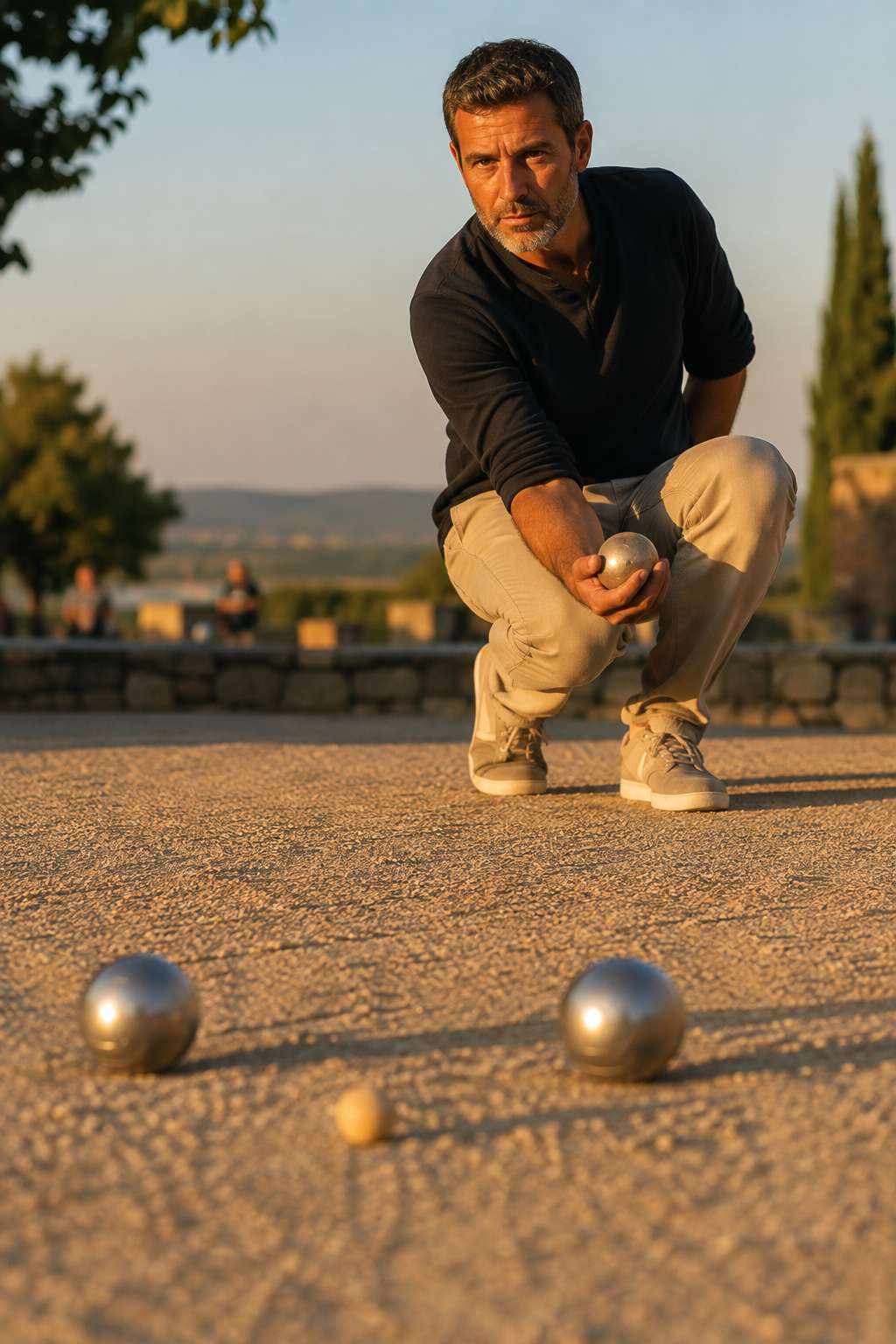
In pétanque, the fear of ending is never a decorative detail. It occurs before the throw, when the player chooses a trajectory and speed. The same ball can be technically correct but lose quality if attention is focused on the score, the opponent's commentary or the idea of the perfect shot. Regular players instead construct a legible sequence: they look, name their target, then give a short instruction to their body. This mental economy leaves room for touch. Above all, it avoids transforming an ordinary conduct into a personal examination.
The level is therefore not recognized by an impassive face. It is seen in the ability to return to the present after a poorly played ball, without immediately telling a story about its value. The terrain remains the terrain: a stone, a slope or a distance data are best processed when the next decision remains simple.
2.The mechanism that shifts trust
Useful confidence does not mean being certain of success. It means accepting a margin of uncertainty while maintaining a clear intention. When the desire not to make the decisive error takes over, the player often modifies his gesture without wanting to: more restrained arm, faster exit, shortened look or late choice of play. These micro-changes explain many changes that seem foreign to their author.
The right reflex is to isolate one variable at a time. We do not simultaneously correct posture, strength and tactics. After each lead, note an observable fact: length, axis, bounce or decision. This method transforms a vague emotion into information that can be used on the next throw.
| Emotional reaction | Return to marker |
|---|---|
| unclear decision | clear decision |
3.Signs to spot during the game
Observe the time between decision and throw. If he lingers without providing additional reading, he often fuels doubt. Also observe team exchanges: a useful sentence describes a target, a harmful sentence judges the person. Good partners replace “don’t miss” with a concrete reference, for example the area to play or the type of reach.
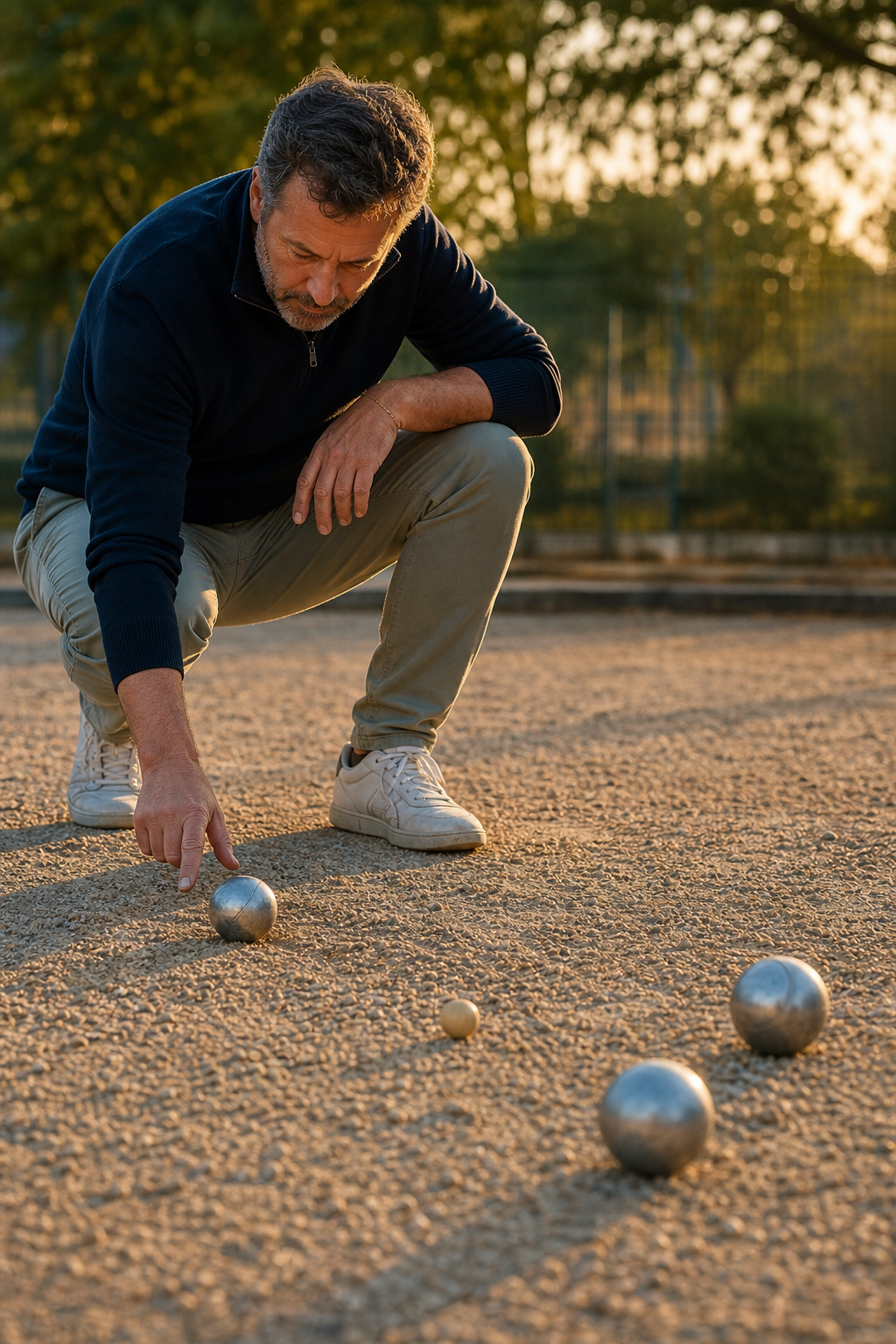
Another indicator is how the player reacts to chance. A deflected ball does not authorize abandoning the plan. She asks to review the surface and choose the next option. This discipline is more valuable than a motivational speech because it is visible and trainable.
4.Install the checkpoint without making the gesture cumbersome
An effective routine lasts less than ten seconds. Start by staying with a simple intention when the score approaches thirteen. Then add a single keyword: “long”, “flexible”, “axis” or “laid”. The word does not replace the technique; it only prevents the brain from filling the space with unnecessary fear. Repeat the same sequence in training over various distances, then in competitions.
The routine must remain adaptable. If the wind picks up or the surface becomes shifty, change the tactical decision, not the way you prepare. This distinction allows you to remain stable without becoming rigid. In pétanque, consistency comes from a simple framework, not a complicated ritual.
5.Make the team a concrete support
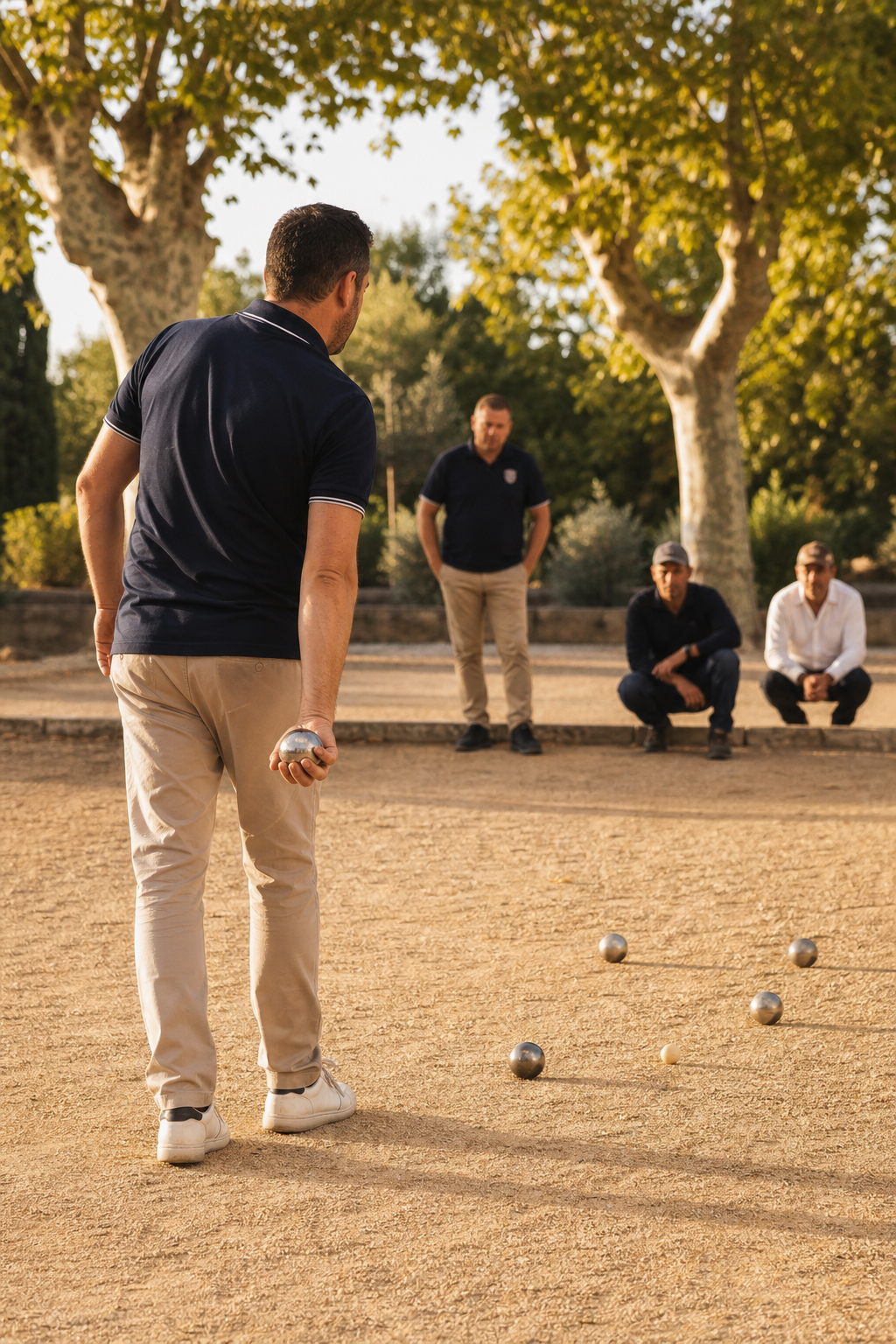
In doubles or triplets, confidence flows. The pointer needs a clear target; the shooter needs to know what risk is accepted. Before the ball, say who keeps the point, which area is dangerous and which result would already be satisfactory. After the ball, avoid the endless debrief: an observation, a decision, then we move forward.
This sobriety protects important moments. It prevents one player from carrying the fear of the score alone and keeps the team in the game. Teams that appear calm do not speak less: they speak more precisely.
a team instruction must relate to the next ball, never to the ball already lost.
Practice your routine on easy balls. The day the score closes, it will already be automatic.
6.Training that makes the reflex last
Dedicate one session out of three to scoring scenarios: 10 to 10, 11 to 12, last ball to shoot or point to defend. Before each attempt, write down your intention; afterwards, note the observed fact, without giving yourself a label. Measure the quality of the routine as much as the number of successes.
Add a very concrete protocol: ten balls on the same data, then ten balls with a small constraint announced by a partner. Change the distance, goal position or stake, but keep your preparation the same. At the end, only remember a technical adjustment and a mental adjustment. This voluntary repetition links the work of gestures to the reading of the game; it avoids believing that one good day is enough to bring about progress.
Gradually, you will see that the fear of concluding becomes a lever rather than a weakness. The goal is not to eliminate all tension: it is part of the competition. The goal is to keep a recognizable decision and gesture when tension arises.
To go further — Winning under pressure at pétanqueConcrete exercises to transform the tension of the competition into fairer decisions. Improve under pressure in pétanque.