News · 20 July 2026
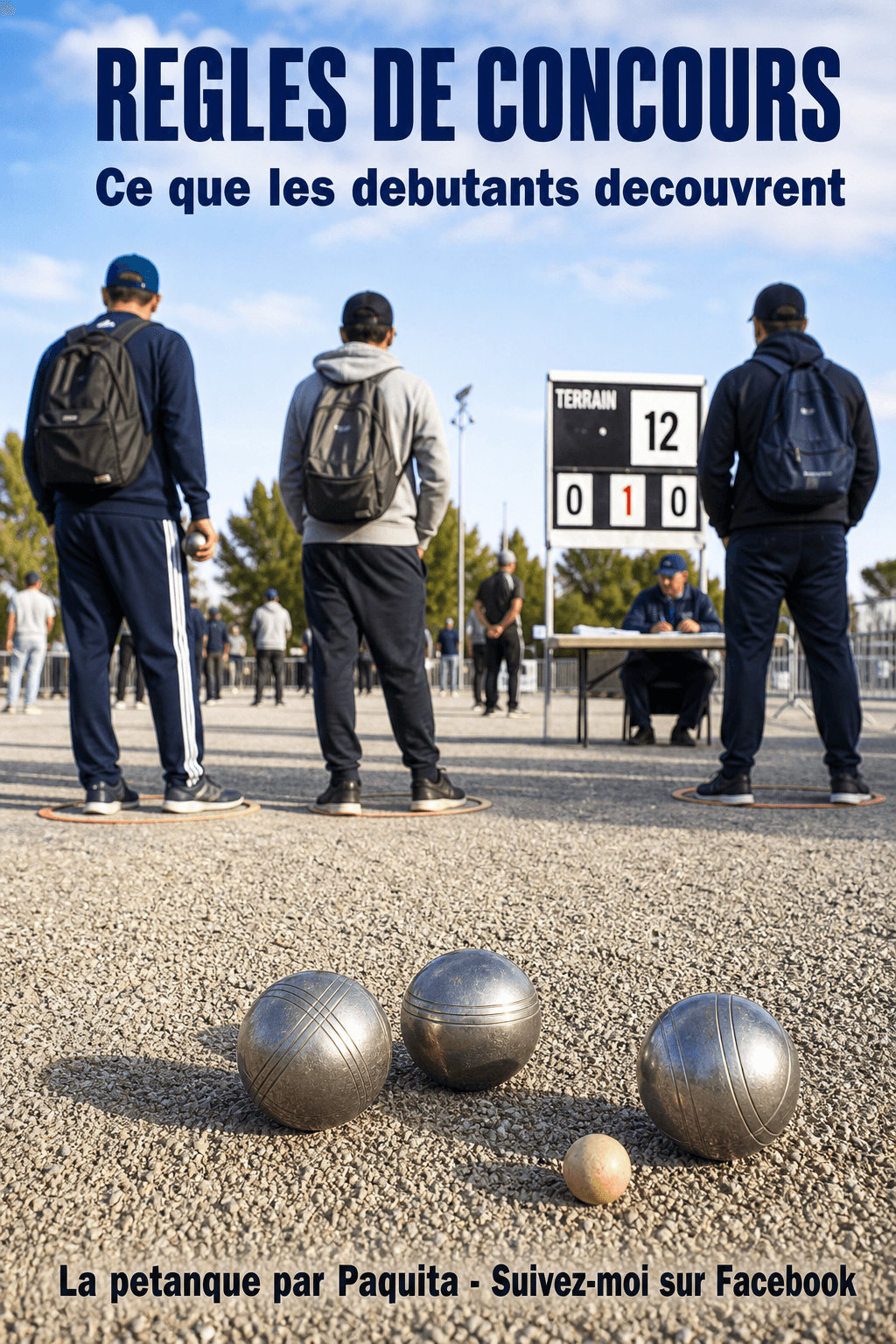
These competition rules that beginners often discover at their expense
NewsFFPJP competition rules that beginners often forget: registration, dress code, order of play, time, referee and penalties.1.An official competition is not a friendly game
In a free game, you work things out between yourselves. In an official tournament, a common framework applies. This framework protects fairness: the same schedule for everyone, the same terrains, the same dispute rules, the same refereeing authority. A beginner who grasps this immediately changes their attitude. They no longer try to argue over every detail; they try to learn which procedure to follow.
The first mistake consists in believing that the rules only concern disputed shots. In reality, they begin before the first end: registration, presence at the draw, calling of teams, allocation of the terrain, possible dress code, respect for opponents and availability when the game is called.
To remember: in competition, the good player is not only the one who plays well. It is the one who plays well within the framework set by the organization.
2.Before the game: registration, call-up and court
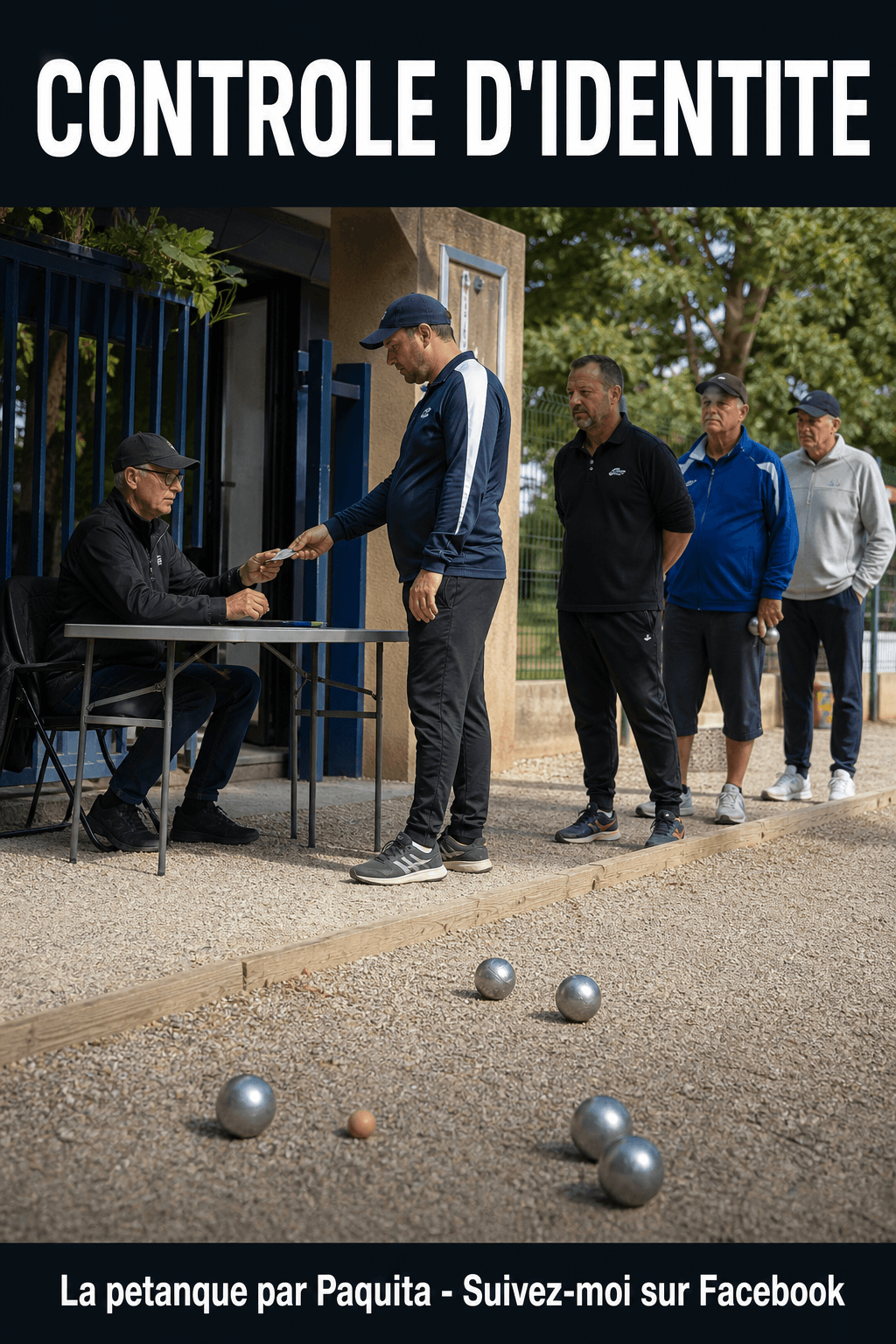
The first pitfall is administrative. A late arrival at the call-up, an incomplete team, a player who isn't ready, and the day gets off to a bad start. A competition requires you to plan ahead: arrive early enough, check your registration, listen to the announcements, look at the draw, identify the ground and keep your equipment within reach.
The assigned ground must also be respected. You don't change your frame just because a surface seems less pleasant. If a real difficulty exists, it is reported to the organiser or the referee. The beginner's reflex is to negotiate directly with the opponent; the competitor's reflex is to go through the proper procedure.
3.During the end: order of play and time
Two rules often surprise: you don't play whenever you want, and you don't take unlimited time. The order of play depends on the point. The team that doesn't hold the point must play, except in a special situation. This forces you to measure, to agree, or to call the umpire if doubt persists.
Playing time is also regulated. The rules set a limited time to play once the jack or the boule to be played is clearly determined. In practice, the referee mainly penalises obvious abuses: endless discussions, deliberately slowed choices, routines that turn into stalling tactics.
| Situation | Good reflex | Beginner's mistake |
|---|---|---|
| Doubt about the point | Measure or call the referee | Playing at random |
| Team that falls apart | It plays | Confuse with a free rotation |
| Long time | Decide quickly and clearly | Discuss each option |
4.The umpire is not an opponent
Many players discover the umpire at the moment of a conflict. Bad reflex. The umpire is there to make the game clear, not to favour a team. When he steps in, you state the facts calmly, let the measuring or observation happen, then apply the decision. Contesting with agitation adds nothing; it can even make the situation worse.
The beginner benefits from calling the referee earlier, before the tone rises. A moved boule, a doubtful jack, a misunderstood boundary, an impossible measure: all these situations are handled better before the next move.
If you feel the discussion is going in circles, stop negotiating. Just say: we call the umpire and we apply it. It's often the sentence that saves the game.
5.Behaviour, dress and respect for the game
Competition rules also bear on conduct. Talking during the opponent's action, stepping into the other's circle, moving objects without agreement, loudly commenting on every boule: these leisure habits quickly become irritating in competition. A competition demands a measure of restraint.
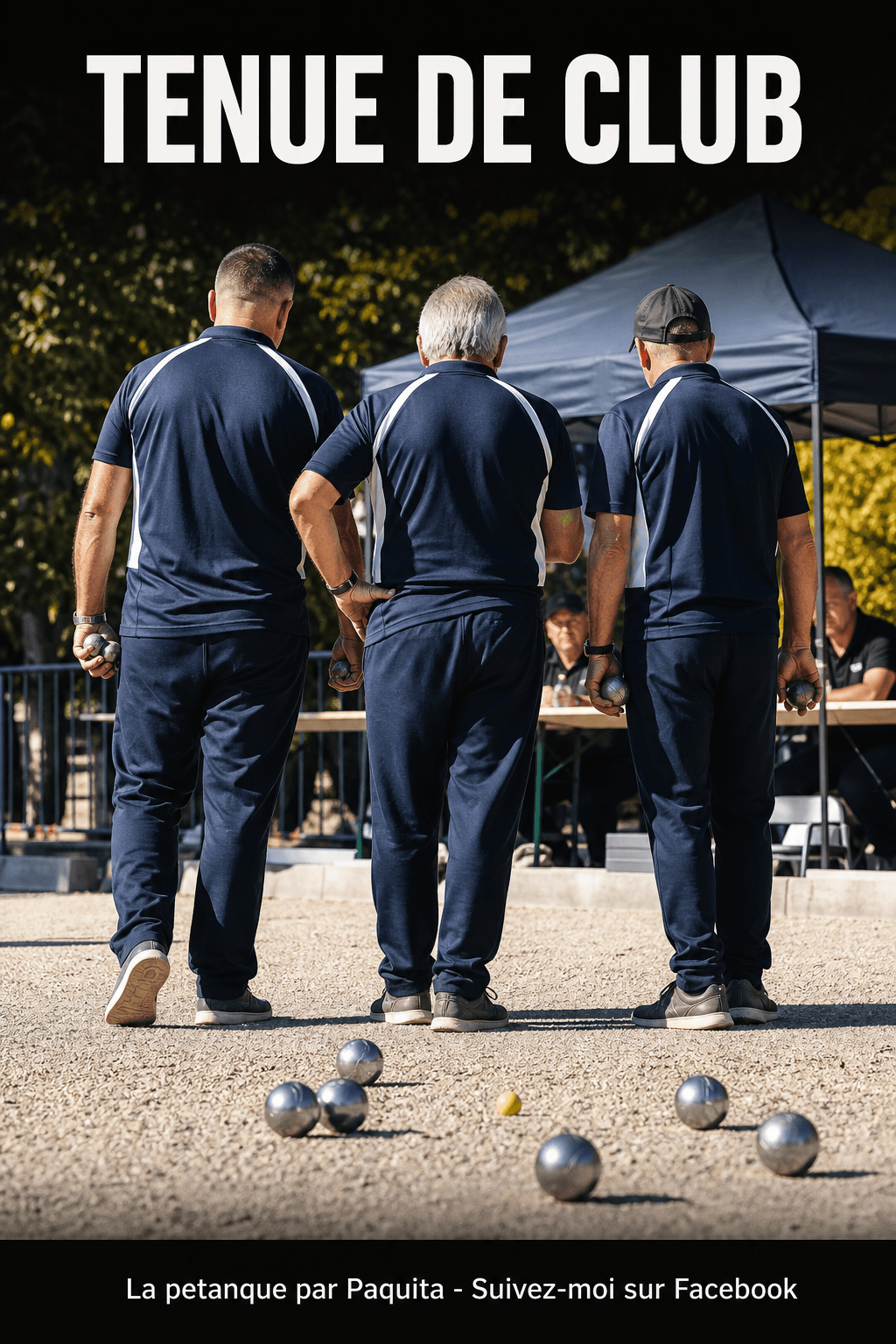
The dress code may vary according to the level of the event, but the principle remains simple: present yourself as a committed player in an official competition. When the organization announces guidelines, they take priority over club habits.
6.The simple checklist before your next competition
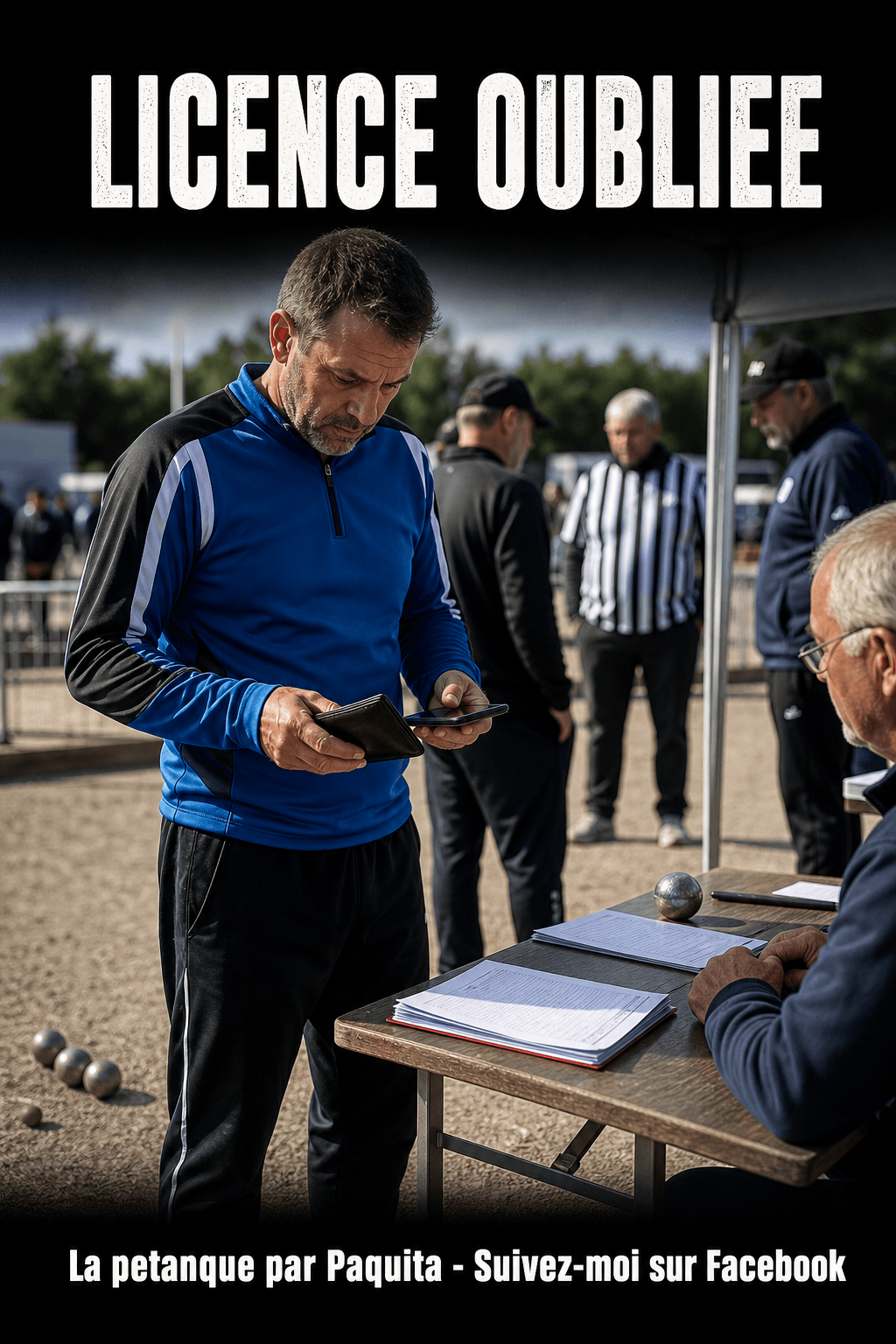
Before leaving, check your boules, your jack, a cloth, something to drink, your licence if required, the call-up time and the exact venue. Once there, listen to the announcements and note your court. During the game, keep three reflexes: know who has the point, play within the time, and call the umpire in case of a real dispute.
It's not rigidity. It's what allows everyone to play the same competition. The more you master this framework, the more you can focus on what really matters: pointing well, shooting well and making the right decisions.
To organize registrations, pools, brackets and game tracking without improvising, the PetanqueLand software helps clubs keep a clear frame.
Discover