News · 15 July 2026
Specific rules of the official FFPJP competition that every competitor must master
NewsThe official FFPJP competition rules to know: registrations, terrain, order of play, refereeing, behavior, and good competitor reflexes.1.Before the game: registration and attendance
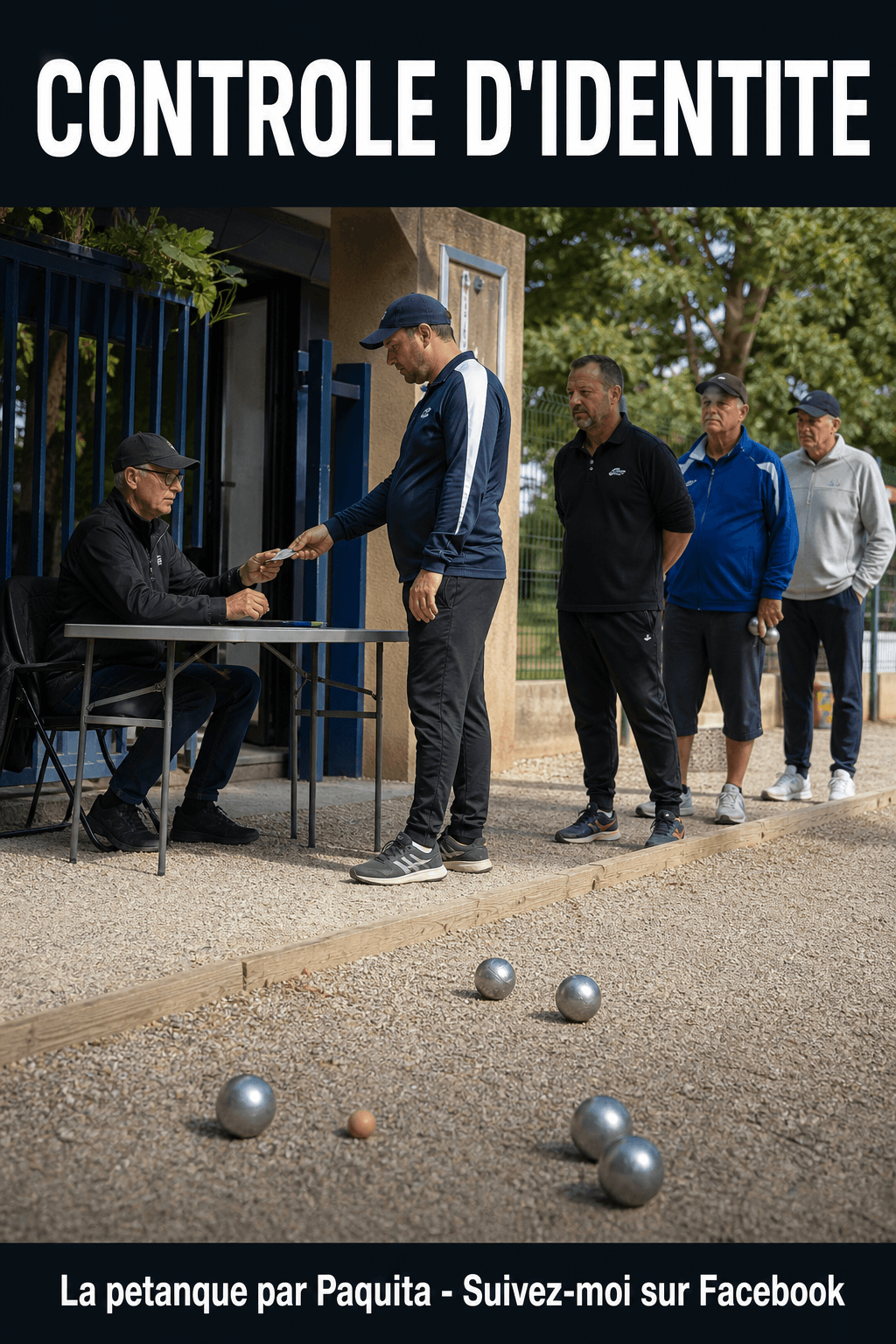
The competition's first rule begins before the first throw. Being registered, present at the call, available on the indicated pitch and attentive to the organization's instructions is part of the competition. A player who arrives late or wanders off without warning creates a sporting problem for their team and for the bracket.
In competition, this detail isn't only there to avoid a penalty: it protects the fairness of the game. The better the rule is understood before the throw, the less it becomes a weapon for argument after the throw. A solid player doesn't wait for an incident to ask about the framework; they check, announce and play in a clear environment.
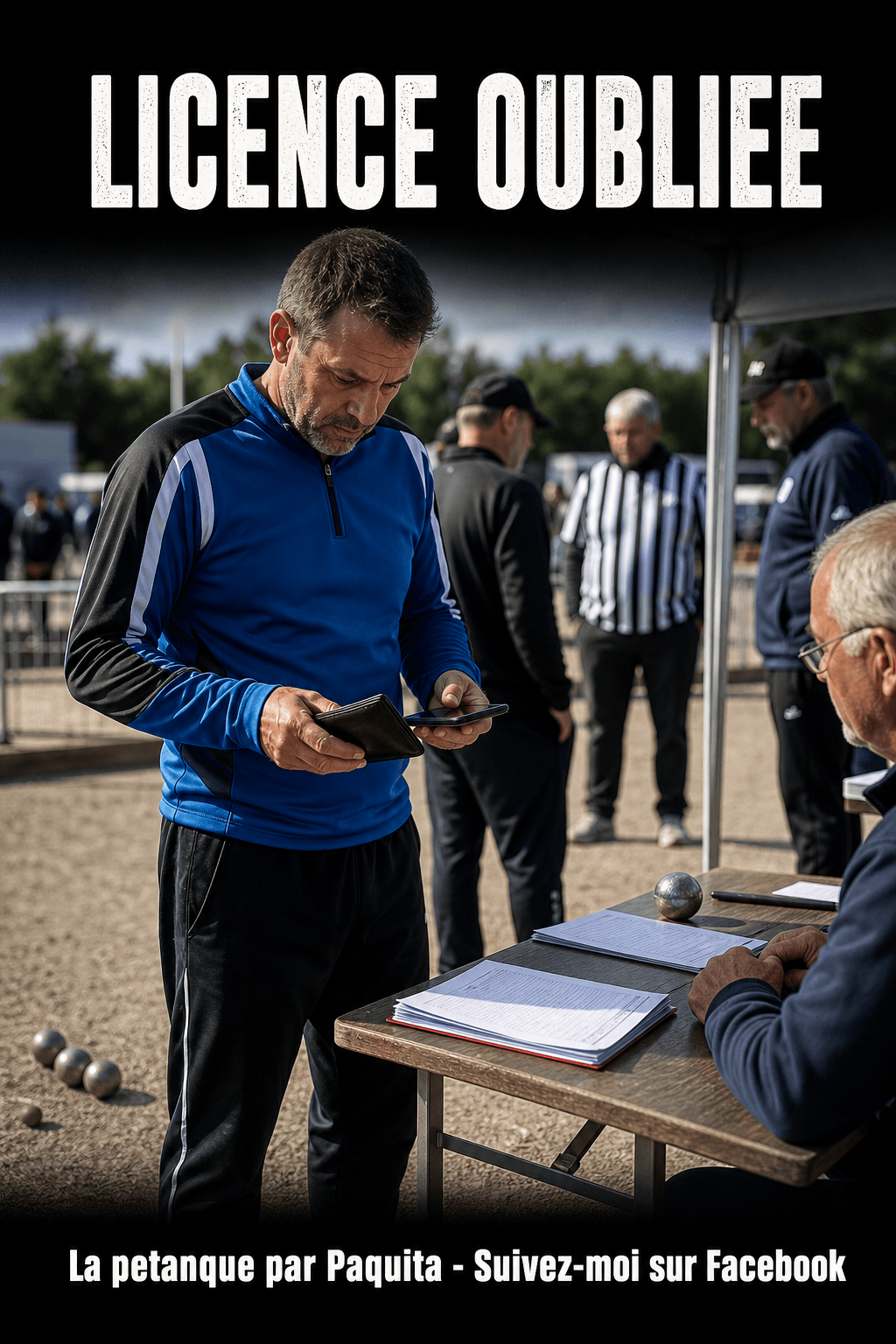
Note your pitch, keep your licence accessible and check the posted schedules. Many disputes start with a simple absence at the wrong time.
2.Assigned pitch and game framework
In an official competition, a game is played on the designated pitch, with the boundaries set by the organization. Changing zones, moving a string or settling elsewhere because the ground seems better is a bad idea. The pitch belongs to the event's framework, not to one team's comfort.
In competition, this detail isn't only there to avoid a penalty: it protects the fairness of the game. The better the rule is understood before the throw, the less it becomes a weapon for argument after the throw. A solid player doesn't wait for an incident to ask about the framework; they check, announce and play in a clear environment.
3.Refereeing: when to call and how to speak
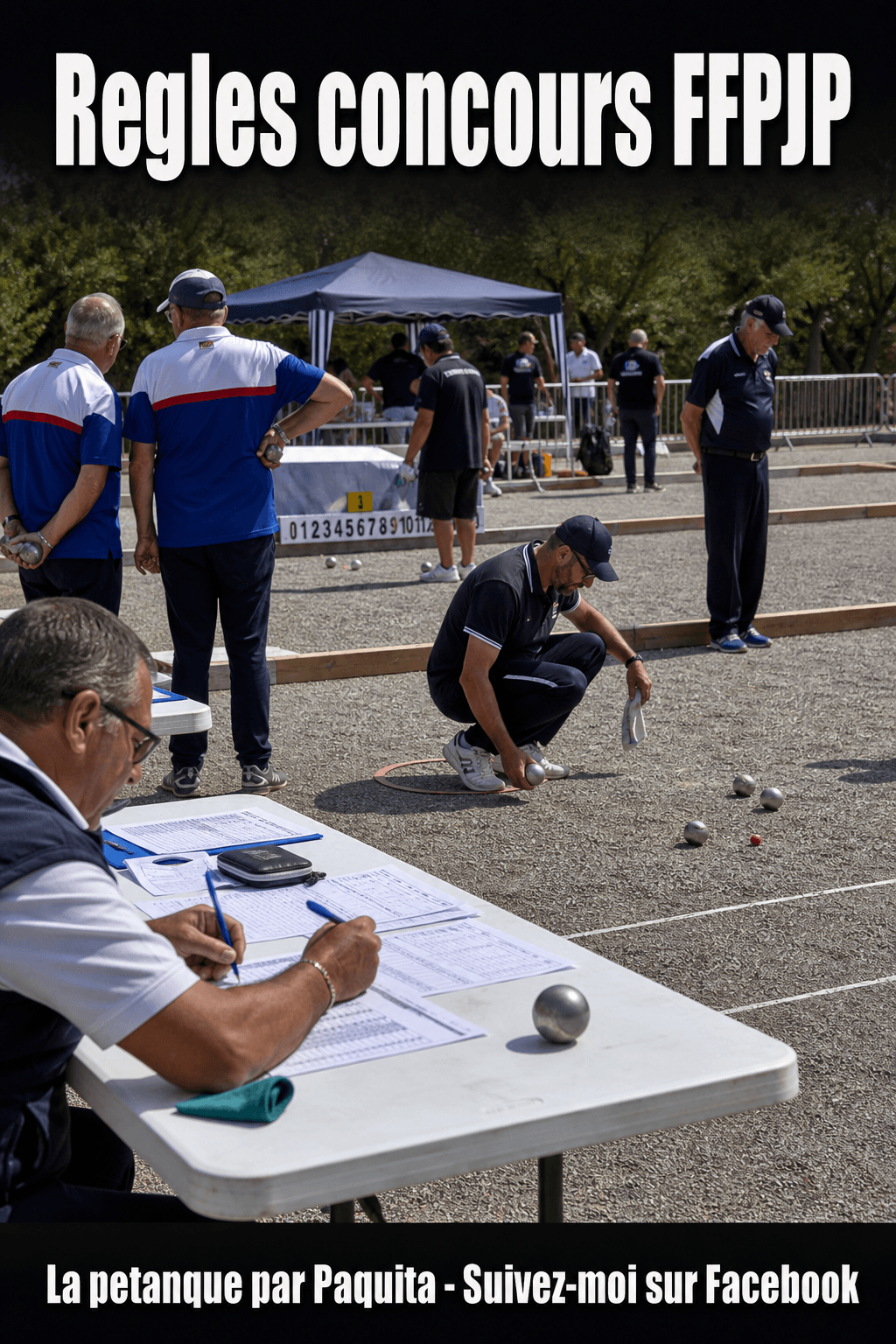
The referee is not there to punish the player who asks for help. He is there to rule when the rule requires a neutral decision: disputed measure, moved jack, out-of-bounds boule, contentious behaviour, uncertain pitch. The right reflex is to call him early, before the boules are touched or memories become fuzzy.
Call the referee with a simple sentence: "We need a decision on the position of the jack." The more factual the request, the faster the decision comes.
4.Behaviour and pace of play
The official competition also imposes a behavioural dress code: respect for the opponent, silence during the throw, no excessive verbal pressure, control of playing time. A team can lose its composure well before losing technically. The rules therefore protect the game as much as the players.
In competition, this detail isn't only there to avoid a penalty: it protects the fairness of the game. The better the rule is understood before the throw, the less it becomes a weapon for argument after the throw. A solid player doesn't wait for an incident to ask about the framework; they check, announce and play in a clear environment.
5.The match sheet and the result
The game doesn't always stop at the last point. The result must be announced or validated according to the organization, and transmission errors can create confusion in the bracket. A serious captain checks the score, the names, the next pitch and the resumption time.
These are small habits, but they bring real peace of mind. When the admin side is clean, the team keeps its energy for playing.
| Point to check | Good reflex | Frequent mistake |
|---|---|---|
| Team call | Being present and reachable | Wandering off without warning |
| Terrain | Respecting the assigned pitch | Changing the framework yourself |
| Dispute | Calling the referee early | Moving the boules before the decision |
| Result | Clearly validating the score | Leaving without reporting |
To organize registrations, pools, pitches and results without losing track, the PétanqueLand tool helps clubs structure their competitions.
Discover