News · 26 July 2026
How is the winner of a game of petanque determined according to the rules?
NewsScore at 13, lead finished, abandonment or dispute: this is how the winner of1.The simple principle: achieve the expected score
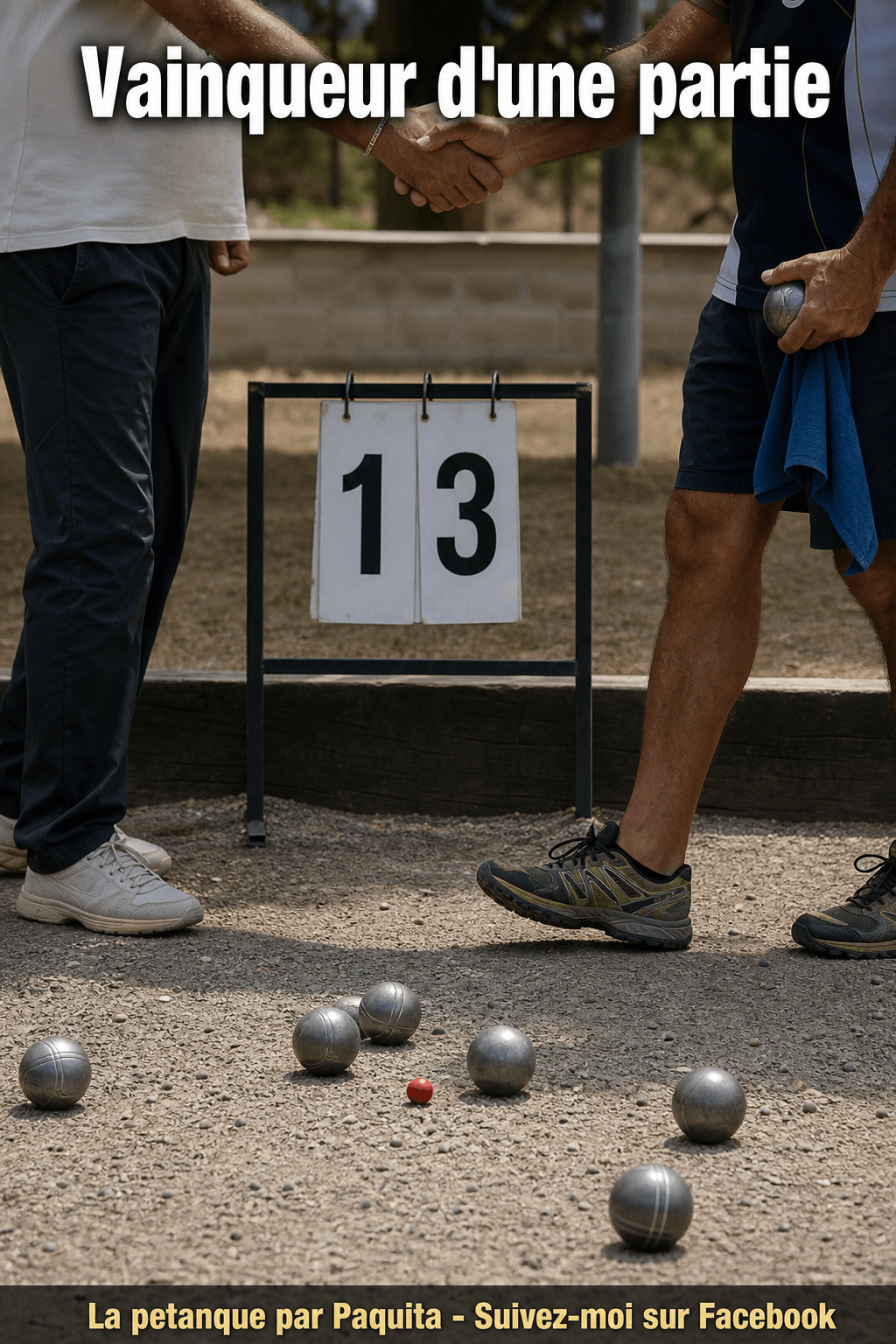
In the majority of games, the winning team is the one that reaches 13 points. This rule is known to everyone, but it assumes that the points are correctly counted at the end of each end. A counting error in the middle of the game can therefore pollute the final verdict.
The predicted score can sometimes be adapted according to a particular competition formula, but the idea remains the same: the winner is designated by the officially retained score, not by an impression of domination or by the number of beautiful balls played.
2.Why the lead must be completed before concluding
As long as all the useful balls have not been played or the point is not clearly acquired, the game is not over. A team may believe it has won when a measure remains possible, an opposing ball holds the point or a draw changes the count.
The end of the round therefore imposes a simple check: who has the point, how many points are scored, and does the total reach the victory score. It is only after this sequence that the winner can be announced.
To remember: a game is won when the score is correctly acquired and recognized as part of the competition, not just when one team claims victory.
3.Winning ball: measure before celebrating
The winning ball attracts quick reactions. However, if two balls are close, the measure must come before the celebration. Announcing a winner without checking can create unnecessary conflict and make it seem like the team is forcing the decision.
The calm player asks for the measurement, lets the opponents see, then validates the score. This attitude avoids discussions after the fact and gives the result immediate legitimacy.
4.Abandonment, delay, exclusion: special cases
A game can also end without the 13th point being played normally. Abandonment of a team, withdrawal, exclusion or inability to continue: these cases must be reported to the competition manager and reported correctly. The winner then exists administratively, even if the game has not followed its usual course.
These situations should never be treated lightly. A departure without clear information can block a table, create a qualification error or delay the entire competition.
On a winning ball, slow down. Look at the point, ask for the measurement if necessary, and then announce the score. The last ball deserves more rigor, not less.
5.The most common end-of-game mistakes
The first mistake consists of counting the points before having mentally removed the balls that do not count. The second consists of forgetting a previous lead. The third consists of validating an oral score without reporting it correctly on the sheet or at the table.
These mistakes happen especially when the pressure mounts. The closer the score is to 13, the more the rigor must increase. A well-finished game is one where no one disputes the result five minutes later.
| Situation | Good reflex | Common mistake |
|---|---|---|
| Winning boule | measure if necessary | announce too quickly |
| Lousy pig | apply the rule | add invention points |
| Abandonment | report to manager | leave without a trace |
| Match sheet | correct score | forgetting or inversion |
6.Reporting the result: a sporting step
The match sheet or the announcement at the table is not a secondary formality. This is the act that allows the competition to move forward. The score must be accurate, the winning team clearly identified and any incidents reported.
In large competitions as in small melees, this discipline avoids false tables. It also shows the respect of the players for the organization.
7.Winning cleanly: the last mark of good players
The best know how to finish without confusion. They stay focused until the last point, accept a measurement even when they think they have won and shake hands once the result is confirmed. This sobriety gives more weight to victory.
Conversely, a noisy or premature end can leave a bitter taste. The rules do not serve to remove the emotion, but to ensure that the emotion arrives after the validation of the game.
Winning under pressure in pétanque
The endgame is as much in the head as in the arm. This book helps keep a clear decision when the 13th point approaches.
Discover